How to Brew Malaysian-Style Coffee (Kopi O): The Bold, Bittersweet Heart of Malaysia
If you are craving something bold, simple, and deeply Malaysian, then this is for you. Instead Of Fancy Coffee Machines, sometimes the best cup can come from a cloth sock and pure tradition, proving that old-school methods still hit the nail on the head. If you are deeply into traditional cooking or brewing and want to explore the Traditional way to brew Malaysian-style coffee, Kopi O, right in the comfort of your own home, this is your cup of tea.
This guide is designed to teach you how to brew Malaysian-style coffee, also known as Kopi O, in the traditional Malaysian way, taking you down memory lane and bringing back the rich, deep history of Kopi O.
What Exactly Is Kopi O?
Let’s start with the name: Kopi sounds like Coffee, right? Yeah, its Actual meaning is Coffee, and O refers to The Black, which, in combination, makes Black Coffee, no milk added, just Sugar and Coffee. If you want Milk, said, you can call it Kopi, and if you want it black and unsweetened, you can call it Kopi O Kosong. So must double-check before you order.
Traditional Black Coffee / Kopi O uses Robusta beans, not the delicate Arabica, which are widely available in mostly Western Café Spots across Malaysia. Unlike Arabica Beans, Robusta is punchier, Higher in caffeine, and roasted differently; sometimes it’s finished with a bit of Sugar, margarine, or even salt. Just enough to bring out those rich, bittersweet flavors locals love.
A Quick History of Kopi Culture in Malaysia
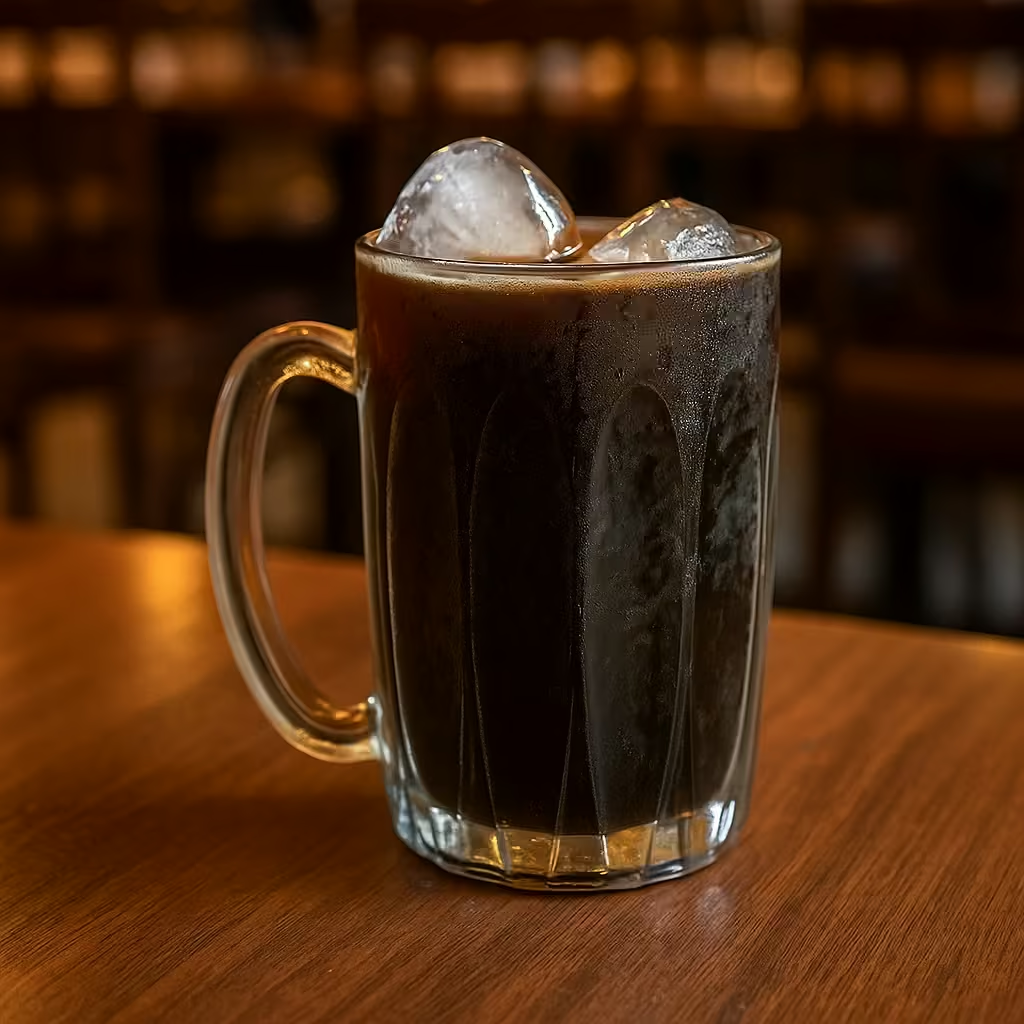
Kopi “Coffee” Culture Across Malaysia Has Deep Roots in Historical colonization and patterns of immigration, specifically stemming from Chinese and Hainanese communities. Coffee was first introduced to Malaysia during British colonization.
Mainly in the 19th Century, but it didn’t get as Popular. Currently, in the 20th Century, coffee has Get Hype, basically with Chinese Immigrants Who Started Coffee shops And Cafes. Traditional coffee shops serve local-style coffee paired with simple breakfast items, the kind that warms both your heart and stomach first thing in the morning.
The Phrase Kopi comes from the Malay Word for Coffee, and it is Brewed Using a Traditional Method, where a Socking Cloth Filter is used to produce a strong, robust cup of coffee that packs a punch, often served hot or iced with condensed milk and sugar to sweeten the deal.
Over Time, Those Kopitiams became the driving force that turned the tide into a social hub where All Ethnic groups, including Malays, Chinese, and Indians, joined for morning meals, networking, and professional Meetings.
Kopi paired with Chinese doughnuts or kaya toast has been a staple of coffee shop culture for generations.
Hainanese immigrants
Hainanese immigrants were trendsetters in the heart of kopi culture by introducing the kopitiam in the late 19th and early 20th Centuries. Not only did these establishments serve us coffee that’s one of a kind, but these spaces also became melting pots where Chinese, Malay, and Indian culinary traditions fused into the kopitiam menu we know today.
Also Read: Explore Talk Talk Kopi Menu Malaysia
Ingredients You’ll Need for Authentic Kopi
For Your Ease, let’s stick to the point. I will directly go to the ingredients and equipment mainly needed to brew the Kopi O (Black Coffee)
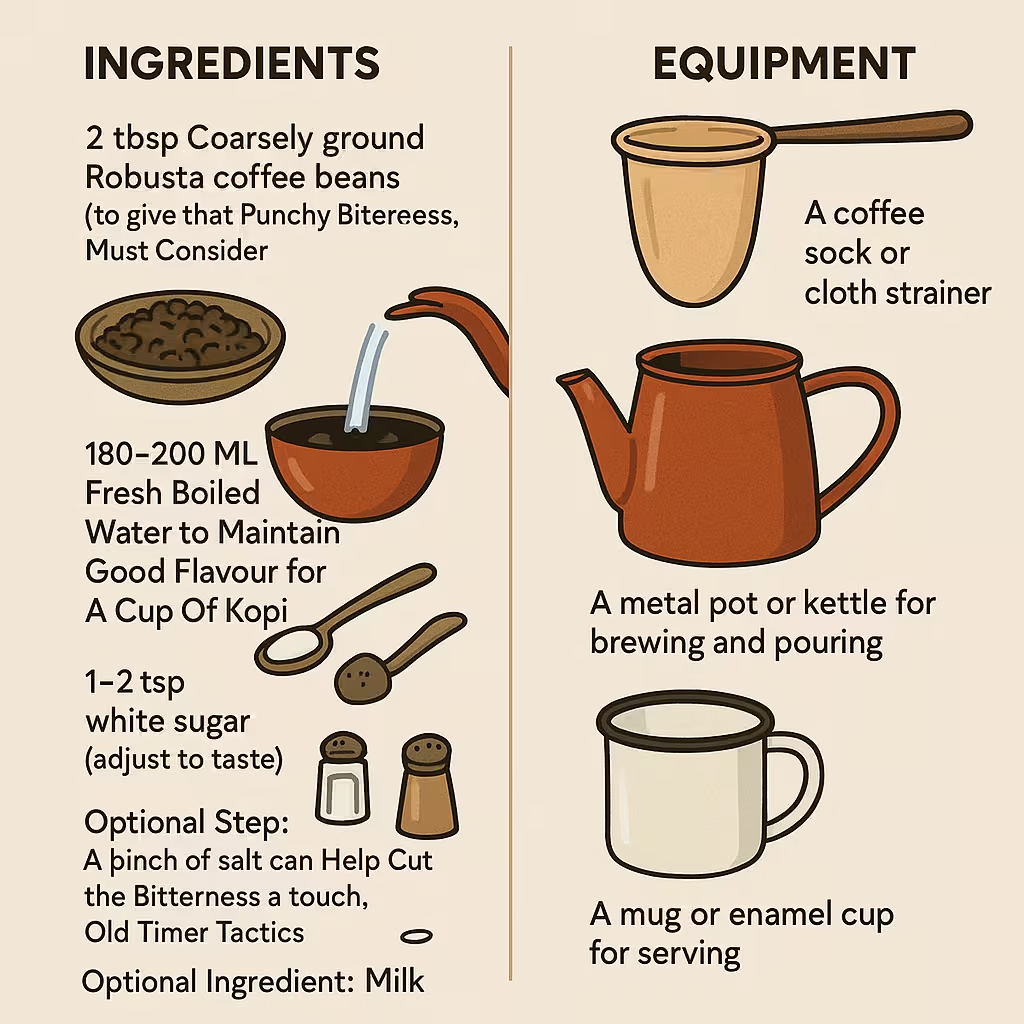
Ingredients
Equipment
How to Brew Kopi O? Step-by-Step Guide
This is a complete Guide where skipping even a Single Step can make a mess, and you will get the flavour you expected, even while brewing the kopi O By Following till the end.

This Traditional way is still in Hype because it’s something so strong that can keep you energized all day long, and a part of Malaysian café Culture, widely available in every Café, Kopitiam, and Stall, giving you a Way back to the Rich Heritage influenced by Hainanese and Chinese Immigrants.
Also Read: Complete Kopi Home Menu with Updated Prices
Expert Tips to Get That Kopitiam Taste
Lacking some Great Experiences and flavors to make It More Relaxing and Joyful, I have talked to some experts and Kopitiams chefs about how we Can Get the Most out of it and what ways we can flavors up the entire Kopi. Below, I have Listed Some Experts’ suggestions; you can consider these Tips if you feel something is off in your cup of Kopi.
- To get the Signature Caramelized, one Must Use traditional robusta coffee beans roasted with sugar, margarine, or butter, because This Bean-Roasting Method is the heart and soul of Kopi’s unique flavors.
- A Socking cloth really matters a lot than considering a Quick coffee made with modern Paper Filters or Coffee Machines. The slow drip and cloth filtration hit the sweet spot, drawing out the perfect strength and texture in Each Cup of Kopi.
- If you don’t have a taste for bitterness in your coffee, to strike the right balance and deepen the flavors, toss in a pinch of salted sugar or a bit of rock sugar while brewing your Kopi. It’s the secret sauce to harmony in a cup.
- Don’t be in a Hurry. Let the hot water draw out the full-bodied richness without biting off more bitterness than you can chew. Here, the Time given to it, you will get paid In Richness of Flavours.
- To keep the Flavour, its Fullest, Make Sure You Purchase Freshly Roasted and Ground Kopi powder. If you want Flavour Richness, avoid pre-ground Commercial Blend that may lack the Depth of those Freshly Roasted.
- By pouring it back and forth between two containers to let it stretch its legs, this isn’t just a way to cool the coffee but also enhances its aroma and mouthfeel, a time-honored kopitiam trick that hits the nail on the head every Time.
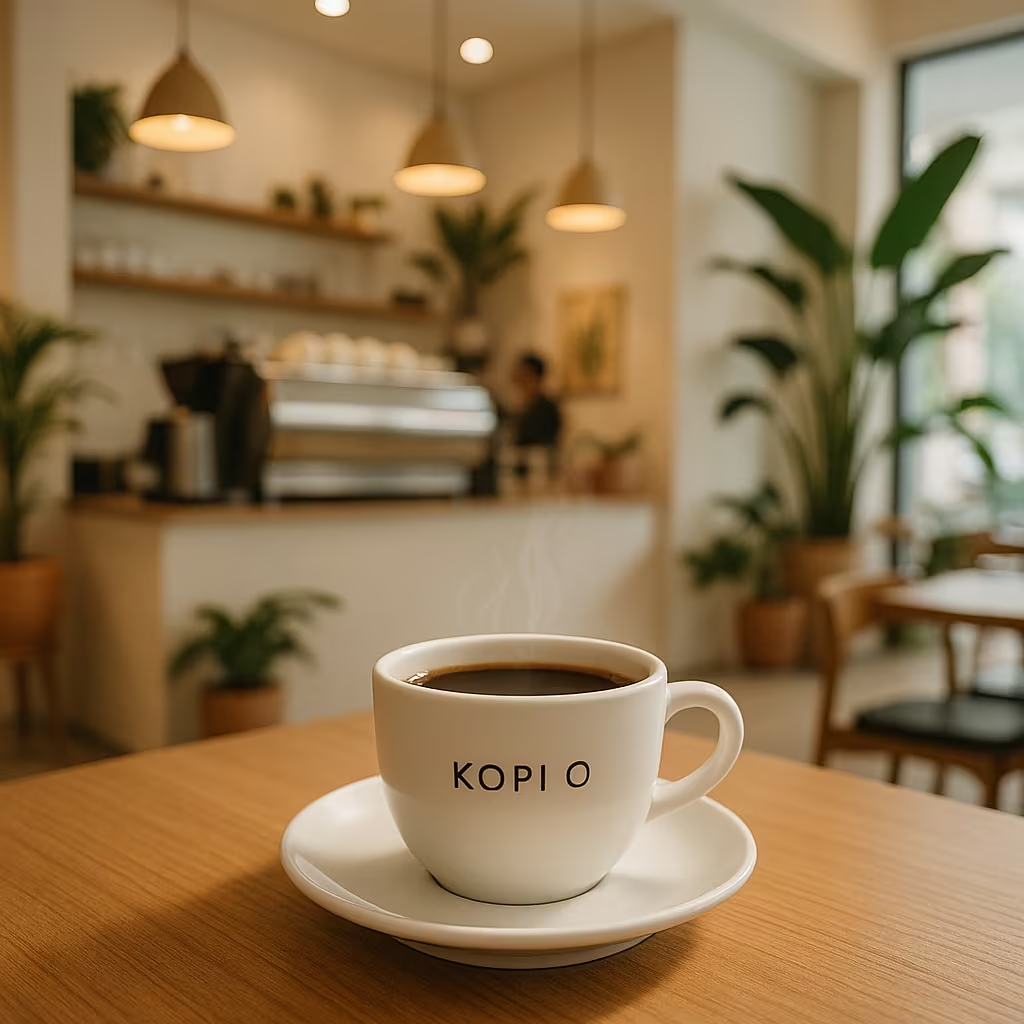
- Serve piping-hot kopi in small cups to capture the true kopitiam vibe, hitting the nail on the head with both taste and experience.
I am pretty sure the following tips will help you enhance your overall kopi brewing and bring out the flavours to their peak. Make you want to go the extra mile. Make sure to follow the tips above to take your Kopi O brewing to the next level.
The Culture Behind the Cup Why Kopi O Still Matters
When it comes to Kopi, It Still Holds its Ground as a Culturally Significant beverage because it embodies heritage, togetherness, and a sense of self. Tracing back to the 20th Century, that Trend was brought by Hainanese Communities, Who Presented robusta Coffee Beans, roasted with sugar and margarine, and brewed traditionally with a Cloth Sock Filter.

As Time Moves, kopi O is not just a Beverage but has become a cultural habit, also an early Morning Energizer for almost everyone, deeply rooted in the Malaysian Tradition, whether it’s a labourer, a colleague student, or a businessman, and the community bonds at traditional coffee shops, also known as kopitiams.
The Reason why Kopi O Still Matters is that it’s a Part of Culture where this Beverage is brewed in its Traditional way, while maintaining the Quality Bitterness and Texture of the Kopi O Cup. As well as many talks start with a Cup of Kopi O, whether you are going to the office, lunch, or Dinner, it’s part of everyone’s routine.
Kopi is a bit stronger than the One Made with modern way or by Arabica beans, because it’s the Unique way robusta Coffee Beans are roasted. This coffee Offers More caramelized And Strong Flavour.
Also Read: Dome Café Menu and Price List
Final Thoughts Brewing More Than Just Coffee
Kopi O, for us Malaysians, is not just a beverage; it’s a ritual, a quiet rebellion against the daily grind. In this fast-paced world, this traditional Method is still worth it because every minute spent on the Kopi O will pay off in its perfect texture and strong Flavour, which is worth the wait. It’s like a Routine whether I am going for early Morning to Open My eyes, after Lunch, or Dinner.

Whether you are traveling across Malaysia or moving to Malaysia, Kopitiams are the places you can easily stop at every Corner, every stall, or every Hawker. It’s everywhere because it’s a Culture, not just a Beverage, that keeps your Brain on track while working because of its High Caffeine Value.
Faqs
How Much Coffee Powder should I Use While Brewing Kopi O?
IT Totally depends on How Strong Coffee You want to make, where around 10 grams to 12 grams, roughly two heaping teaspoons, and if you are thinking about trying Something Bitter, then usually, like Kopitiams, go with a minimum of 15 grams, around one tablespoon. Meanwhile, if you are off for Bitterness / strong Coffee, reduce the Coffee Powder to around 8 grams for weaker Flavours.
How does the traditional cloth sock filter perform better than the Modern Paper bag?
It’s all because The Natural oil of Coffee can easily pass through Cloth sock filters, giving Kopi That Rich, unique, full-bodied flavors and smooth texture. Meanwhile, the paper Filters Traps all Those Oils, offering Less Depth in flavors and a cleaner but thinner taste. The cloth holds heat well and slows the drip, giving the coffee time to develop richer flavors.
How Much Time should you brew To Get the Exact Taste you heard about?
Experts Usually Recommend brewing Kopi for approximately 3 to 5 minutes, which is enough to get the perfect balance between rich Flavours and Bitterness.
When Does Kopi O Get Hype Across Malaysia?
Kopi O became quite Popular During the early to mid-20th century, especially fromthe 1920s to the 1950s, when we saw the massive Establishment of kopitiams (traditional coffee shops) by Local Communities and Hainanese immigrants.

Chin Yen
Welcome to Taste of Malaysia! I’m Chin Yen, a passionate Malaysian foodie who loves discovering and writing about the diverse cuisine my country has to offer.
As a local food-obsessed explorer, I enjoy seeking out little-known eateries and hawker stalls in search of hidden gems that serve authentic, delicious Malaysian fare. I get excited about finding those hole-in-the-wall spots off the beaten path that offer traditional recipes, family cooking, and an intimate dining experience.